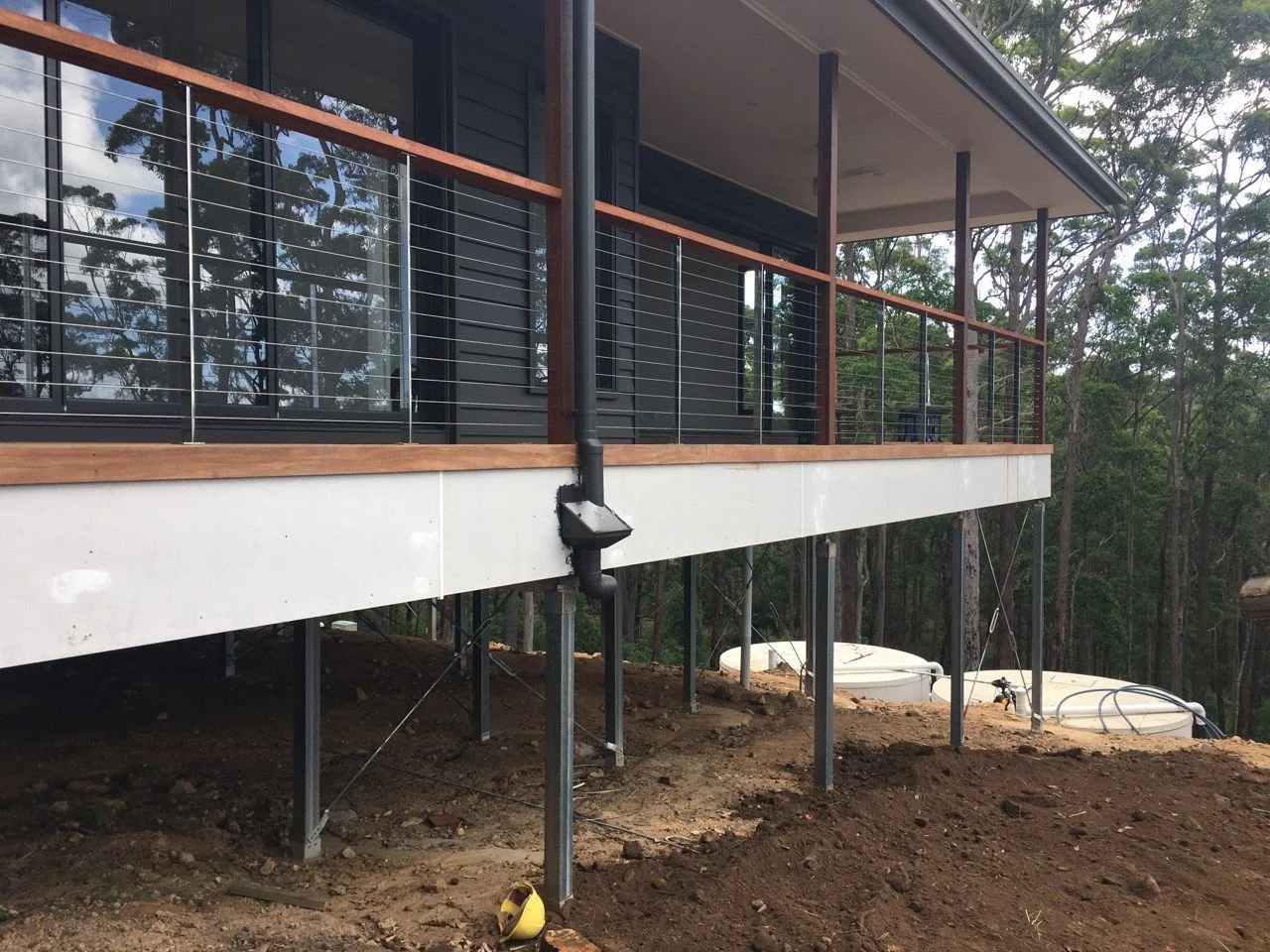
A homeowner may search after noticing uneven floors, cracks or movement. They may not know the correct service name, and the website must help them reach an assessment without presenting a remote diagnosis.
02 / THE CHALLENGE
Make the assessment the conversion goal.
Connect problem-led searches with the right service information, while avoiding promises about the cause, required work or price before a property has been assessed.
03 / THE STRATEGY
Make the assessment the conversion goal.
Search content should bridge the gap between a homeowner’s description of the issue and the business’s professional assessment process. Advertising and organic pages can share that useful destination, but each source should be measured separately.
04 / TACTICAL APPROACH
STRATEGY, IN PRACTICE.
01
Map the problem to the service.
Explain the situations that may prompt an assessment and the service boundaries. The content should reduce confusion, not turn symptoms into a diagnosis.
Use familiar homeowner language.
Explain what an assessment involves.
Make service coverage clear.
02
Match the search and destination.
A service-specific landing page should continue the enquiry raised by the search. Campaign reviews should check destination availability as well as message relevance.
Align search terms and page content.
Check destination pages remain available.
Filter unrelated search demand.
03
Qualify the assessment.
The first enquiry should capture enough property context for the team to decide the next step.
Collect suburb and property details.
Ask for a short description of the concern.
Track the enquiry through to assessment.
05 / THE BUSINESS LOGIC
How the strategy supports growth.
A completed assessment request is a stronger signal than a click. The commercial path runs from relevant search to suitable property enquiry, then assessment and quoted work. Each stage needs its own measure to identify where opportunities are lost.
06 / SUCCESS MEASURES
What success needs to look like.
Relevant enquiries, assessments booked, quotes and accepted work. Compare equal reporting periods before claiming growth.
This is a strategy exploration. The tactical recommendations describe the approach, not a verified account of completed delivery or measured growth.